
Our Learning Approach
PackBloom treats packaging design as a practical conversation between visual choices and physical form. Instead of rushing straight to polished mockups, the course encourages rough sketches, panel planning, safe-zone checks, and small readability tests.
Learners practice how a product name, brand mark, barcode area, ingredient panel, color contrast, and material idea work together on a package surface. The goal is not to promise retail success or print-production expertise, but to help beginners build calmer habits for organizing packaging concepts and explaining design decisions.
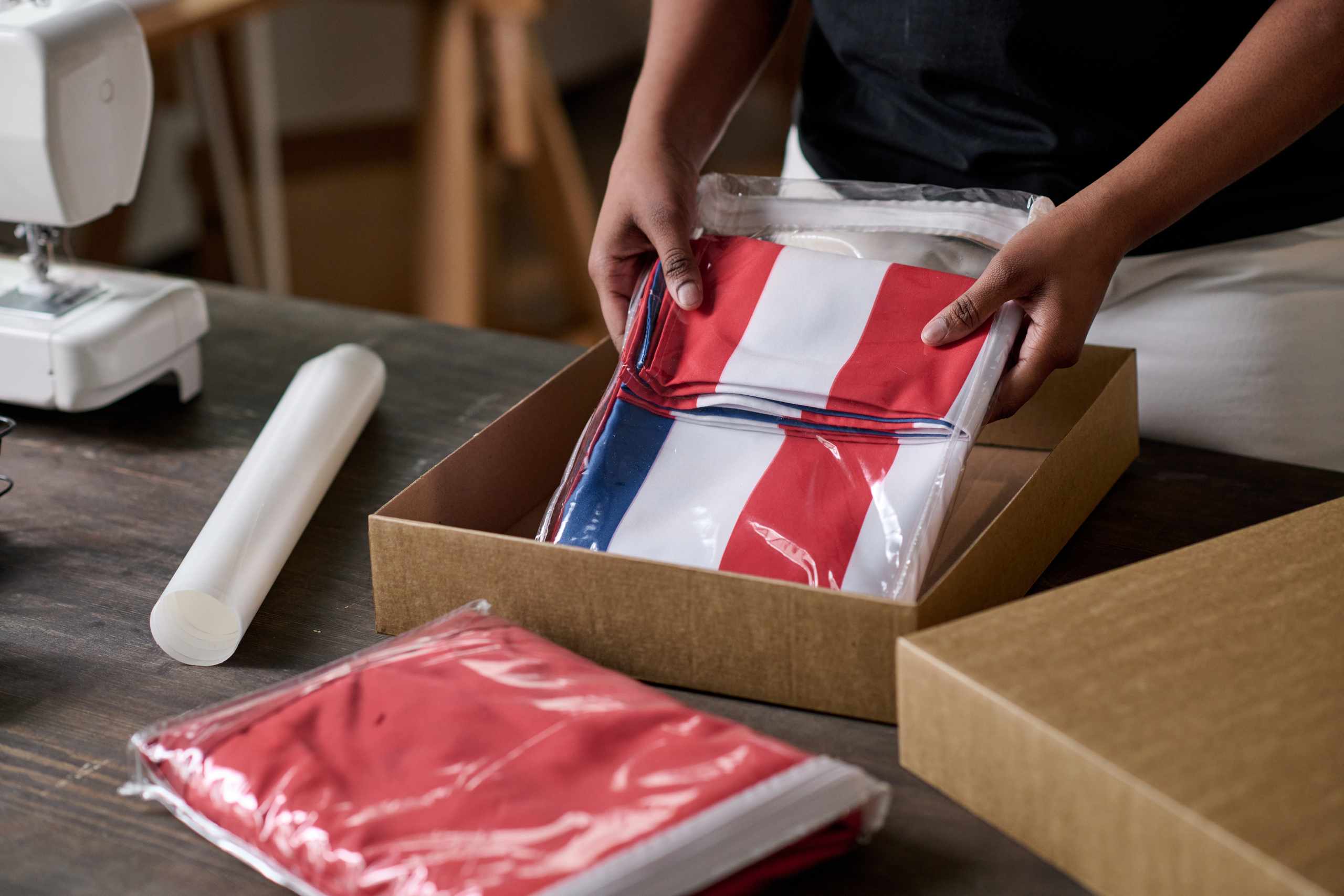
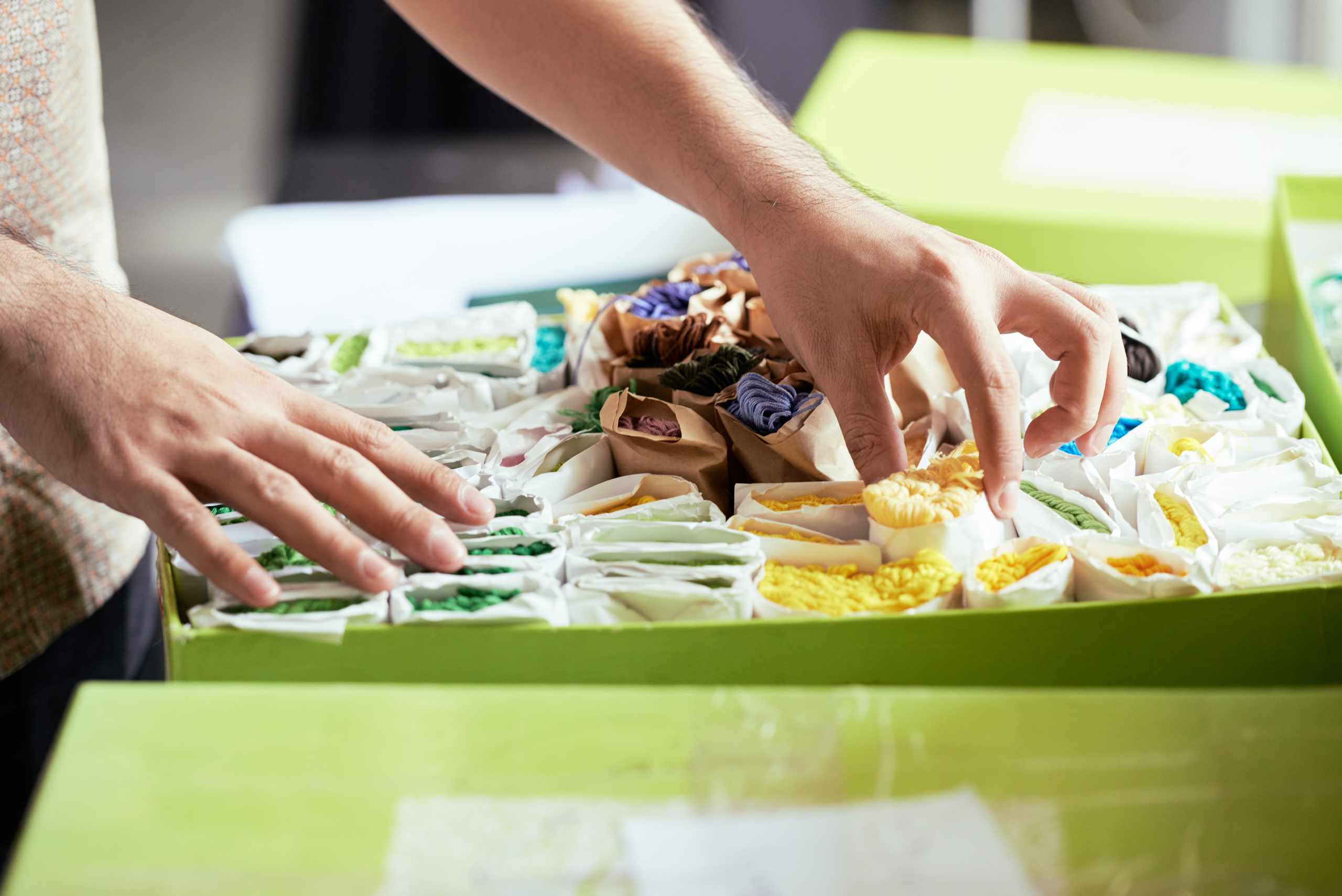
Read Before You Polish
Use the blog for practical notes on front panels, dielines, label spacing, contrast, and beginner mockup review.
Why The Approach Stays Practical
The course keeps attention on choices a new packaging designer can actually practice: what goes on each panel, how close details sit to trim lines, whether small type reads, and how a mockup changes the design.
Readable Information
Practice grouping product details so the front, side, and back panels do not feel crowded.
Physical-Form Thinking
Notice how folds, closure areas, sleeves, cartons, and labels affect the design
layout.